Molecular Hydrogen Therapy
Breathe hydrogen through a nasal cannula, often during an IV.
Single sessions at our North Naples studio on Piper Boulevard.
$60 20-60 min
All services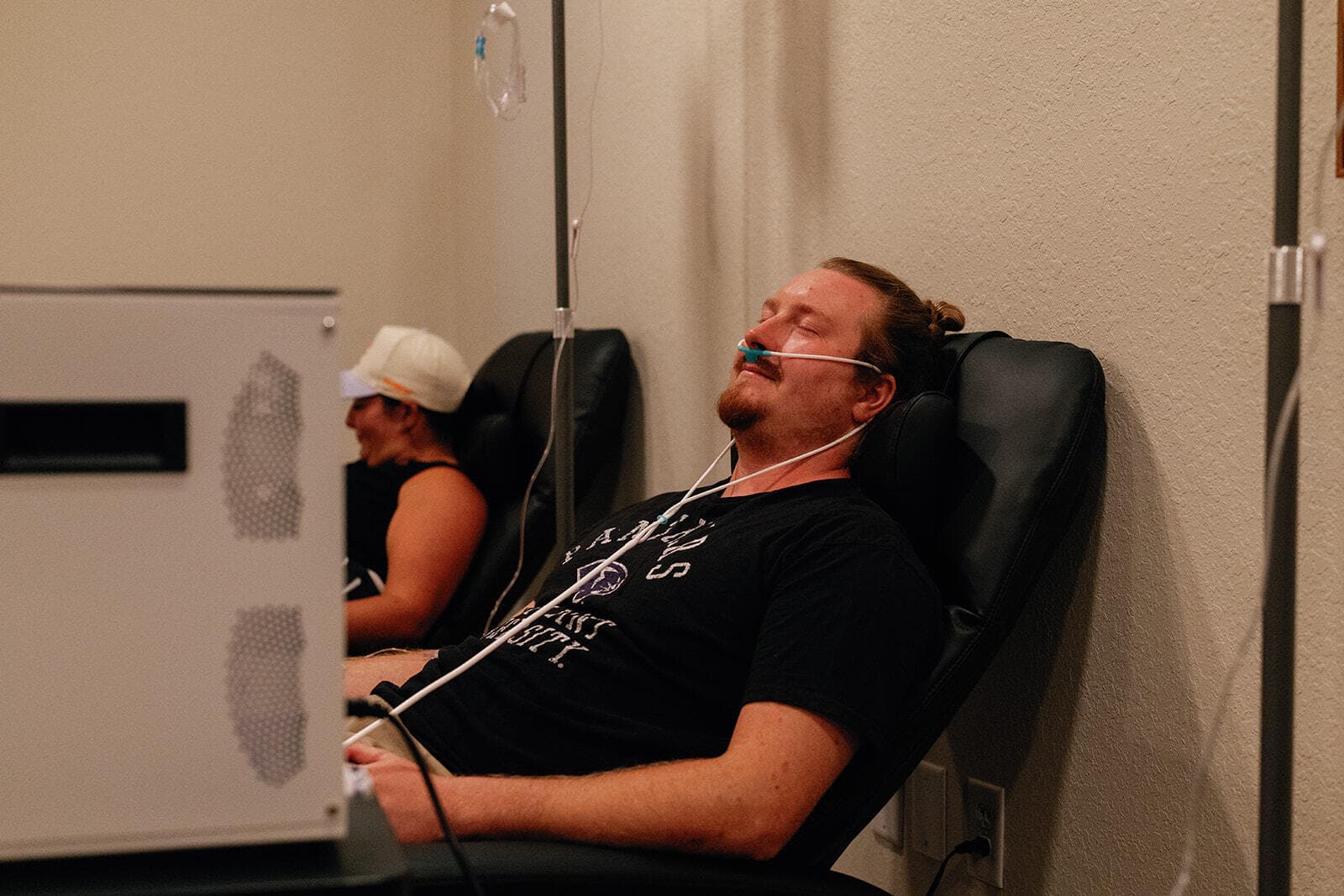
What people use it for.
- Oxidative stress recovery
- Inflammation support
- Athletic recovery
- Cellular health
How it works.
Molecular Hydrogen (H2) is the smallest antioxidant molecule, small enough to cross cell membranes, enter mitochondria, and help neutralize the most damaging reactive oxygen species (ROS) without disrupting beneficial free radicals.
H2 selectively scavenges hydroxyl radicals and peroxynitrite, the most cytotoxic ROS, without affecting beneficial signaling molecules. This targeted antioxidant activity supports healthy inflammatory balance, mitochondrial health, and activates Nrf2 pathways.
What to expect.
Inhale hydrogen gas via a nasal cannula or drink hydrogen-enriched water produced on-site. Sessions are relaxed and effortless, you can read or rest while breathing.
A session takes 20-60 min.
Which phases it fits.
Packages with Molecular Hydrogen Therapy
Prefer a plan? These packages bundle it with other services.

Questions people ask.
Where can I get Molecular Hydrogen Therapy in Naples?
At OutRecover, 675 Piper Boulevard in North Naples. You can book a single session online, with no package or membership needed.
How long does a session take?
Plan on 20-60 min for a session. Inhale hydrogen gas via a nasal cannula or drink hydrogen-enriched water produced on-site.
How much does a session cost?
A single session is $60. It is also part of 6 packages, listed on this page.
Can I use it before or after surgery?
People use it before and after a procedure, and it is part of OutRecover's surgery packages. Check with your surgeon before you add anything new, especially in the first weeks after an operation.
What does the research say?
OutRecover's research library summarizes the published studies, including where the evidence is still limited.
Molecular Hydrogen Therapy: Clinical EvidenceOrthopedic & Joint Health Evidence-Based Guide
Generally well-tolerated. Extremely low risk profile. Discuss with your clinician if you have specific pulmonary conditions.